22 / 05 / 2026
What to Eat After Dental Implant Surgery: A Practical Recovery Diet Guide
Dental implant surgery is widely regarded as one of the most reliable long-term solutions for replacing missing teeth. While the procedure itself is highly advanced and predictable, the recovery phase is where outcomes are truly shaped. One of the most important but often underestimated factors during this time is diet.
In the days following surgery, the implant area is extremely sensitive. Even everyday actions like chewing or consuming the wrong texture of food can interfere with healing and increase discomfort. At the same time, eating too cautiously or skipping proper nutrition can also slow down recovery. Finding the right balance is key.
This is why following a structured dental implant recovery diet in the UK is so important. It ensures the surgical site is protected while the body continues to receive the nutrients it needs to heal properly.
In this blog, we break down a simple phase-wise approach to eating after dental implant surgery, helping you understand what works best at each stage of recovery.
Why Diet Plays a Crucial Role in Implant Healing
Once a dental implant is placed, the body begins a natural healing process known as osseointegration, where the jawbone gradually fuses with the implant. This process depends heavily on stability, nutrition, and careful protection of the surgical area.
During this phase, the surrounding gum tissue and bone are actively repairing themselves. Hard or chewy foods can place unnecessary pressure on the implant, while hot, spicy, or acidic foods can irritate the area and delay healing.
A well-planned post-dental implant surgery diet supports the body in multiple ways. Protein helps rebuild tissue, vitamin C supports wound healing, and minerals such as calcium and zinc support bone regeneration. Together, they create the right environment for a stable and successful implant.
Good nutrition also supports immune function, which is essential during the early healing period. A stronger immune response helps reduce the risk of infection and promotes a smoother recovery experience.
What Should You Eat During Each Phase of Dental Implant Recovery?
Phase 1: First 48 Hours After Surgery
The first two days after surgery are the most delicate. Most patients experience swelling, tenderness, and mild discomfort, which is expected. During this time, the focus should be on complete rest for the surgical site.
Chewing should be avoided entirely, and food should be limited to smooth or liquid-based options that require no effort to consume.
What you can eat:
- Lukewarm soups or light broths
- Smooth yoghurt or Greek yoghurt
- Protein shakes without a straw use
- Blended fruit smoothies without seeds
- Applesauce or fruit purées
- Thin porridge or semolina
Key guidance:
- Avoid straws as suction can disturb healing
- Keep food at lukewarm or room temperature
- Avoid spicy, hot, or acidic foods
- Do not chew on either side of the mouth
Phase 2: Day 3 to Day 7
By the third day, swelling usually begins to reduce, and patients start feeling more comfortable. This is when soft foods can be introduced gradually. The aim is to support nutrition without placing pressure on the implant site.
What you can eat:
- Mashed potatoes or soft vegetable purées
- Scrambled eggs
- Oatmeal or soft porridge
- Well-cooked pasta
- Paneer, tofu, or other soft proteins
- Soft fruits like a banana or a ripe mango
Key guidance:
- Eat small and frequent meals
- Focus on protein-rich and nutrient-dense foods
- Avoid crunchy, hard, or chewy textures
- Chew slowly and on the opposite side of the implant
Phase 3: Week 2 After Surgery
By the second week, healing has progressed further, and most patients feel more comfortable. At this stage, slightly more textured foods can be added, but care is still important.
The goal is to slowly return to normal eating without disturbing the healing implant.
What you can eat:
- Soft sandwiches without crust
- Soft pancakes
- Shredded chicken or soft fish
- Cooked lentils and legumes
- Soft fruits like melon or peach
- Well-cooked vegetables
Key guidance:
- Continue chewing on the opposite side when possible
- Avoid biting into hard foods
- Increase texture gradually based on comfort
- Maintain proper oral hygiene as advised
Phase 4: After Two Weeks
At this stage, most patients can begin returning to a normal diet. However, internal healing continues for several weeks, so food choices should still be introduced carefully.
What you can eat:
- Regular rice, bread, and home-cooked meals
- Soft to moderately textured meats
- Fresh vegetables introduced slowly
- Balanced everyday diet
Key guidance:
- Reintroduce harder foods gradually
- Avoid excessive pressure on the implant site
- Continue avoiding sticky or very hard foods initially
- Follow the dentist’s instructions for long-term success
Even after recovery, regular dental reviews help ensure the implant is integrating well and functioning as expected. Long-term maintenance plays an important role in protecting your investment in oral health.
Foods to Avoid During Recovery
During the recovery period, food choices can directly influence how well the implant heals. While soft and nutrient-rich foods help protect the surgical site, certain foods can create unnecessary irritation or pressure and may slow down the healing process. In the early stages after surgery, the gums and surrounding tissues remain sensitive, making them more vulnerable to inflammation and discomfort.
Hard and crunchy foods such as chips, popcorn, and raw vegetables can place stress on the implant area and disturb healing tissues during chewing. Sticky foods may cling to the surgical site, making it difficult to keep the area clean and increasing irritation around the gums. Similarly, spicy and acidic foods can trigger sensitivity and discomfort, particularly within the first few days after surgery.
Patients are also advised to avoid alcohol during recovery, as it may interfere with prescribed medication and slow down the body’s natural healing response. Being mindful of these dietary and lifestyle factors can make a noticeable difference in ensuring a smoother and more predictable recovery.
How Can You Support Implant Recovery?
Recovering from dental implant surgery is usually a gradual and manageable process when the correct aftercare guidance is followed. One of the most important parts of healing is choosing foods that protect the surgical area while still providing the nutrition needed for recovery.
Starting with soft foods, avoiding irritating meals, and gradually returning to a normal diet can help support successful healing and long-term implant stability. Although many patients feel better within days, the healing process beneath the gums continues for several months, making proper care extremely important during this period.
Following your dentist’s recommendations carefully can help ensure a smoother recovery, improved comfort, and long-lasting implant success.
When to Contact Your Dentist
Some discomfort after surgery is normal, but certain symptoms require attention. These include persistent bleeding, increasing pain after a few days, fever, pus, or any unusual movement near the implant.
Early consultation ensures timely treatment and protects long-term implant success.
Book Your Consultation
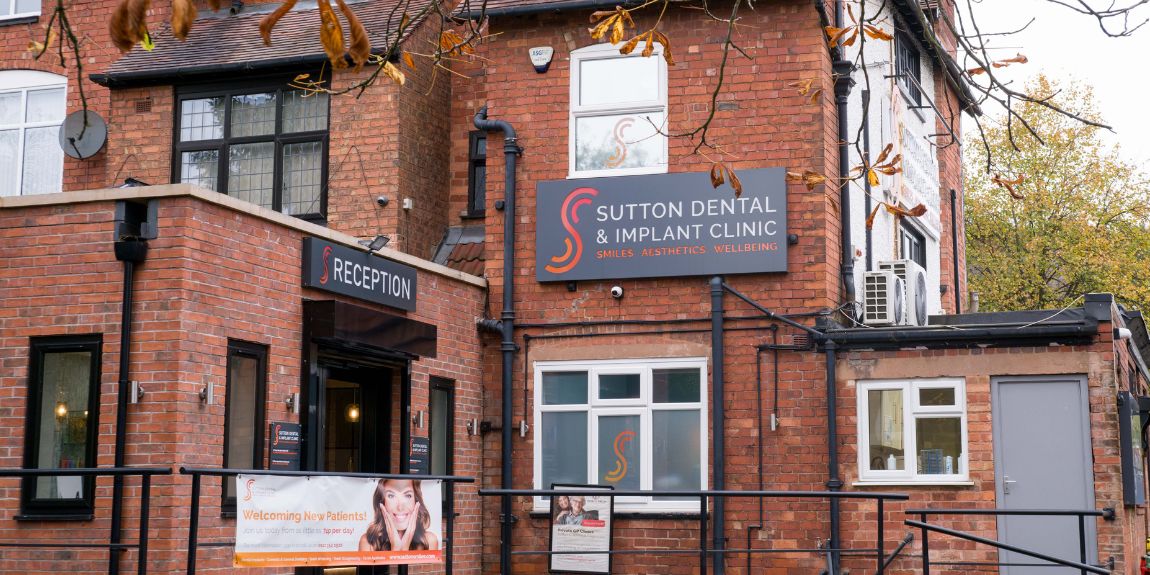
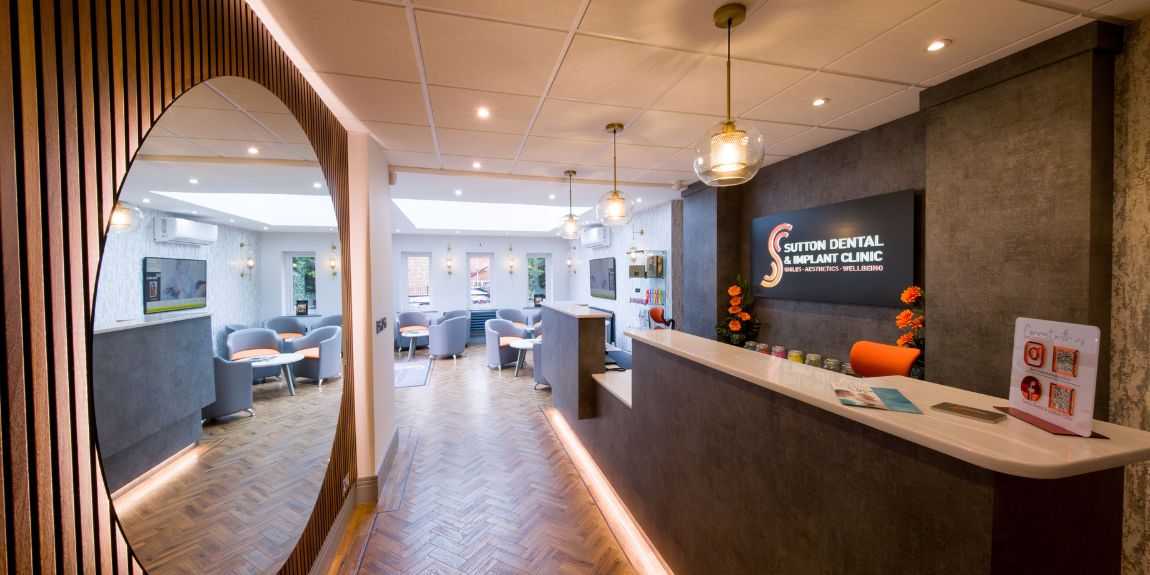
If you are considering dental implants or are currently recovering and need personalised guidance, the team at Sutton Dental is here to help. Professional advice ensures your recovery stays on track and your implant remains healthy for years to come.
📞 Schedule Your Implant Consultation Today: – 0121 354 1922 | Link in Bio | https://suttonsmiles.com/treatment/your-implant-journey/