04 / 09 / 2026
What Happens After Invisalign Treatment Ends? Next Steps Explained
Completing Invisalign treatment is an exciting milestone. After months of wearing clear aligners and watching your teeth gradually move into their new positions, it is natural to feel that your smile journey has finally come to an end. However, finishing your last aligner does not mean that your orthodontic care is completely over.
The period after Invisalign treatment is essential for protecting the results you have worked hard to achieve. Your teeth need time to settle into their new positions, and without the right aftercare, they can gradually begin to move again.
Retainers, good oral hygiene, regular dental check-ups, and a consistent approach to long-term care all play an important role in maintaining your new smile. In this guide, we’ll explain what happens after Invisalign treatment ends, why retainers are so important, and how you can protect your results for years to come.
What Happens When You Finish Your Last Invisalign Aligner?
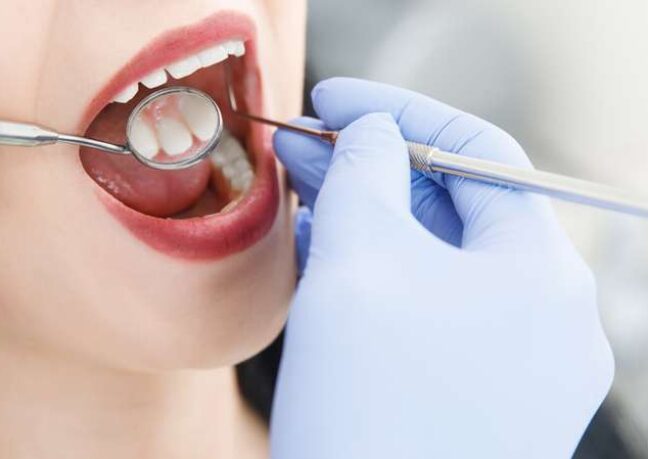
Reaching the end of your Invisalign treatment usually means that your planned tooth movements have been completed. Your dentist will assess your teeth and bite to check how your smile has responded to treatment and whether the desired outcome has been achieved.
Depending on your individual treatment plan, this stage may involve:
- Reviewing your final tooth alignment.
- Checking how your upper and lower teeth bite together.
- Assessing the appearance and function of your smile.
- Taking records for your retainers.
- Discussing your long-term aftercare plan.
Although your teeth may now look straight, they can still have a natural tendency to move. This is why the next stage of treatment is just as important as wearing your aligners.
Why Do You Need Retainers After Invisalign?
Retainers are designed to help keep your teeth in their new positions after orthodontic treatment. Once teeth have moved, the surrounding bone and tissues need time to adapt and stabilise.
Without retainers, teeth can gradually shift away from their corrected positions. Even small movements may affect the appearance of your smile and, over time, lead to unwanted changes in alignment.
Think of retainers as the final stage of your Invisalign journey. Aligners move your teeth, while retainers help protect the result.
Which Type of Retainer Will You Receive?
The type of retainer recommended for you will depend on your individual needs and treatment plan. Your dentist will explain which option is most suitable and how to care for it.
Common options may include:
Removable Retainers
These are custom-made to fit comfortably over your teeth. They are designed to hold your smile in its new position and are usually easy to remove for eating and cleaning.
Fixed Retainers
A fixed retainer consists of a thin wire bonded discreetly behind the front teeth. Because it remains in place, it can provide continuous support without requiring you to remember to put it in.
In some cases, your dentist may recommend a combination of removable and fixed retainers for long-term stability.
How Often Should You Wear Your Retainer?
The amount of time you need to wear your retainer depends on your individual circumstances. Your dentist will provide specific instructions based on your treatment and the type of retainer you receive.
Many patients are advised to wear their retainers more frequently during the initial period after Invisalign treatment. Over time, the recommended wear schedule may change to help maintain the final result.
The most important factor is consistency. Wearing your retainer exactly as instructed is one of the best ways to reduce the risk of your teeth moving.
If you are unsure about your retainer routine, speak to your dentist rather than changing your schedule on your own.
How Can You Keep Your Retainer Clean and in Good Condition?
Your retainer requires regular care to remain hygienic and effective. A dirty or damaged retainer may not feel comfortable and could affect how well it fits.
To care for your retainer:
- Clean it regularly using the method recommended by your dentist.
- Avoid exposing it to high temperatures.
- Store it safely when it is not being worn.
- Keep it away from pets and children.
- Bring it to your dental appointments when requested.
If your retainer becomes damaged, loose, or uncomfortable, contact your dentist as soon as possible. Do not continue wearing a retainer that no longer fits correctly.
Can Your Teeth Move Again After Invisalign?
Yes. Teeth can move throughout life, even after successful orthodontic treatment. This is why long-term retention and post-treatment discipline are so important.
Several factors can contribute to tooth movement, including:
- Inconsistent retainer wear.
- Natural changes in the teeth and bite over time.
- Tooth wear or damage.
- Changes in oral health.
- Loss of a tooth.
- Pressure from surrounding teeth.
Retainers help manage this natural tendency for movement, but they need to be worn and maintained as advised.
Skipping retainer wear occasionally can seem harmless, but repeated inconsistency may allow small movements to develop. If your retainer begins to feel tighter than usual, it may be a sign that your teeth have started to shift.
What Does Long-Term Care After Invisalign Involve?
Maintaining your results is about more than wearing a retainer. Your teeth and gums still need regular care to stay healthy and support your new smile.
A good long-term routine includes:
Retainer discipline
Follow the wear instructions provided by your dentist.
Good oral hygiene
Brush twice a day and clean between your teeth regularly.
Regular dental check-ups
Routine appointments allow your dentist to monitor your oral health and identify any potential concerns.
Retainer reviews
Your dentist can check that your retainer remains in good condition and continues to fit correctly.
Replacing retainers when needed
Retainers can wear out or become damaged over time. Replacing them when recommended helps maintain effective retention.
Is Post-Treatment Discipline the Key to Long-Lasting Results?
Completing Invisalign is an achievement, but maintaining your result requires an ongoing commitment. The success of orthodontic treatment does not depend solely on the movement of your teeth during the active treatment phase. It also depends on how well those results are protected afterwards.
The most important habits are simple:
- Wear your retainer as instructed.
- Keep your retainer clean and safe.
- Attend recommended dental and retainer review appointments.
- Maintain good daily oral hygiene.
- Contact your dentist if you notice changes in fit or tooth position.
These small but consistent habits can play a major role in protecting the smile you have worked hard to achieve.
How Can You Protect Your Invisalign Results for Years to Come?
Your Invisalign journey may finish when you stop wearing your final aligner, but maintaining your new smile is a long-term process. Retainers and good aftercare help protect the alignment achieved during treatment and support a healthy, confident smile.
At Sutton Dental, your orthodontic care does not simply end when your active Invisalign treatment is complete. We can guide you through the next stage of your journey, helping you understand your retainer routine and the importance of maintaining your results over time.
Your Next Steps After Invisalign
✔ Wear your retainer consistently to help maintain your new tooth positions.
✔ Follow your dentist’s aftercare advice based on your individual treatment.
✔ Keep your retainer clean and protected when it is not in use.
✔ Attend regular dental appointments to support your long-term oral health.
✔ Act early if your retainer no longer fits or you notice any changes in your smile.
If you are completing Invisalign treatment or have questions about maintaining your results, book a consultation with the team. We can help you understand the next steps and support you in keeping your smile looking its best.
📞 Call: 0121 354 1922
🌐 Website: https://suttonsmiles.com/treatmentcategory/teeth-straightening/