02 / 06 / 2026
How Bone Grafting Supports Successful Dental Implants
Missing teeth not only affect appearance and chewing ability, but they can also lead to gradual jawbone loss over time. Many patients who consider dental implants are unaware that insufficient bone density can become a major obstacle during treatment. When the jawbone becomes weak or thin due to tooth loss, gum disease, injury, or long-term denture use, it may not provide enough support for a dental implant to remain stable and successful in the long term.
Dental implants are one of the most advanced and reliable solutions for replacing missing teeth, but their success depends heavily on the strength and health of the jawbone beneath them. In cases where bone loss has already occurred, bone grafting helps rebuild the lost structure and creates a stronger foundation for implant placement. Rather than being a complication, bone grafting is often a proactive step that improves both the stability and longevity of dental implants. Modern bone grafting procedures are highly predictable and commonly used in implant dentistry today.
In this blog, we explain when bone grafting is needed, how the procedure works, what the healing process involves, and how it helps improve the success of dental implant treatment.
Why a Healthy Jawbone Matters for Dental Implants
Dental implants are designed to replace the root of a missing tooth. Once placed into the jawbone, the implant gradually fuses with the surrounding bone through a natural process called osseointegration. This fusion creates the stability needed for the implant to support a crown, bridge, or denture securely.
For osseointegration to occur successfully, there must be enough healthy bone available around the implant. If the bone is too thin, soft, or weakened, the implant may not achieve the stability required for long-term success.
Unlike natural teeth, implants rely entirely on the jawbone for support. This means the condition of the underlying bone directly affects how well the implant heals, functions, and lasts over time.
Bone grafting helps rebuild areas where bone has deteriorated, giving the implant a stronger and more predictable foundation.
Why Does Bone Loss Happen?
Bone loss in the jaw is more common than many people realise. When a tooth is lost or removed, the jawbone in that area no longer receives stimulation from chewing forces. Over time, the bone begins to shrink naturally because it is no longer being used to support a tooth root.
Several factors can contribute to bone loss, including:
- Missing teeth left untreated for long periods
- Advanced gum disease (periodontitis)
- Dental infections
- Trauma or injury to the jaw
- Long-term denture use
- Natural ageing and bone resorption
- Smoking and certain medical conditions
In some cases, bone loss may be mild and manageable. In others, significant deterioration may occur, leaving insufficient bone to safely support an implant.
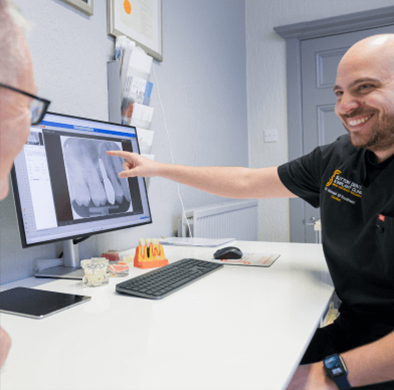
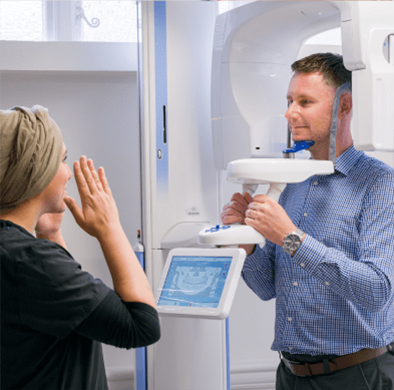
This is why a detailed assessment, including digital scans and imaging, is such an important part of implant planning.
What Is Bone Grafting?
Bone grafting is a procedure used to rebuild or strengthen areas of the jawbone where bone volume has been lost. The graft material acts as a scaffold that encourages the body to generate new bone over time.
As healing progresses, the graft integrates with the natural bone and creates a stronger foundation for implant placement.
Modern bone grafting techniques are highly advanced and carefully planned using digital imaging technology. The procedure is commonly performed under local anaesthetic and is generally well tolerated by patients.
What Materials Are Used in Bone Grafting?
Several types of grafting materials may be used depending on the patient’s needs and the complexity of the case.
- Autograft – This involves using the patient’s own bone, often taken from another area of the mouth or body. It is highly effective because it contains living bone cells.
- Allograft – This type of graft uses processed donor bone material that is safe and carefully sterilised for medical use.
- Xenograft – Xenografts are derived from animal sources and are specially processed to support bone regeneration.
- Synthetic Bone Grafts – These are man-made materials designed to mimic natural bone and encourage new bone growth.
The choice of graft material depends on the amount of bone loss, treatment goals, and the dentist’s clinical assessment.
What Happens During the Bone Grafting Procedure?
The procedure itself varies depending on the size and location of the graft, but the overall process is straightforward and carefully controlled.
The area is first numbed using local anaesthetic to ensure patient comfort. The gum tissue is then gently opened to access the affected bone area. The graft material is placed precisely where additional bone support is needed.
In many cases, a protective membrane may be used to stabilise the graft and encourage proper healing. The gum tissue is then closed carefully with stitches.
For smaller grafts, the procedure is relatively quick and minimally invasive. More extensive grafting procedures may require additional planning and healing time.
Most patients are able to return home shortly after treatment.
How Long Does Bone Grafting Take to Heal?
Healing time depends on the extent of the graft and the individual patient’s healing response. In general, the bone regeneration process takes several months because the body needs time to create new, healthy bone around the graft material.
Typical healing timelines include:
- Minor grafts: around 2 to 3 months
- Moderate grafts: around 3 to 4 months
- Larger or complex grafts: 5 to 6 months
During healing, the graft gradually integrates with the natural jawbone and becomes strong enough to support implant placement.
Patients are usually monitored through follow-up appointments and imaging to ensure the area is healing properly before moving forward with implant treatment.
How Bone Grafting Improves Implant Success
Bone grafting is not simply about adding bone volume. Its main purpose is to improve the long-term stability and success of dental implants.
- Creates Stronger Implant Support – A healthy jawbone provides the stability needed for implants to integrate properly and withstand daily chewing forces.
- Improves Implant Positioning – Bone grafting allows implants to be placed in the ideal position for both function and appearance.
- Enhances Aesthetic Results – Rebuilding lost bone also supports the surrounding gum tissue, helping create more natural-looking results.
- Reduces Risk of Implant Failure – Insufficient bone support increases the risk of implant instability or failure. Grafting helps create a more predictable treatment outcome.
- Preserves Facial Structure – Jawbone loss can affect facial appearance over time, leading to a sunken or aged look. Bone grafting helps maintain natural facial contours.
Together, these benefits contribute to stronger, healthier, and longer-lasting implant restorations.
Supporting Long-Term Implant Health
Dental implants are designed to be a long-term investment in oral health, comfort, and confidence. Bone grafting plays a crucial role in helping implants succeed by rebuilding the support structure needed for long-term stability.
Although the idea of bone grafting may initially sound complex, it is a routine and highly effective procedure that has helped countless patients become suitable candidates for dental implants.
With proper planning, careful healing, and ongoing maintenance, bone grafting can significantly improve both the strength and longevity of implant treatment.
Book Your Consultation
If you are considering dental implants and want to understand whether bone grafting may be part of your treatment, professional guidance can help you make an informed decision. At Sutton Dental, every treatment plan is carefully designed to support long-term implant success, comfort, and natural-looking results.
📞 Schedule Your Implant Consultation Today: – 0121 354 1922 | Link in Bio | https://suttonsmiles.com/treatmentcategory/dental-implants/