18 / 09 / 2026
Can Invisalign Help with Jaw Alignment Issues?
When people think about Invisalign, they often associate clear aligners with straighter teeth and a more attractive smile. However, orthodontic treatment can also improve the way your upper and lower teeth meet. In suitable cases, Invisalign may help address certain bite and alignment concerns, supporting both the appearance and function of your smile.
The way your teeth meet is known as your bite or occlusion. When the teeth do not come together correctly, it can affect chewing, tooth wear, and overall comfort. Invisalign uses a series of custom-made clear aligners to gradually guide teeth into planned positions, which can improve some bite irregularities.
However, Invisalign is not suitable for every jaw alignment problem. Some concerns are caused mainly by tooth position, while others involve the underlying jaw bones. Understanding this difference is important when deciding whether clear aligners are the right option.
In this guide, we will explain how Invisalign can help with certain bite concerns, where clear aligners have limitations, and when other treatments may be recommended.
What Does Jaw Alignment Mean in Orthodontics?
Jaw alignment describes the relationship between your upper and lower jaws and how your teeth meet when you close your mouth. A balanced bite allows your teeth to work together effectively when eating and speaking.
Not every variation in bite requires treatment. However, certain alignment problems can affect the appearance and function of your smile.
Common bite concerns include:
- Overbite – the upper front teeth overlap the lower teeth more than expected.
- Underbite – the lower teeth sit in front of the upper teeth.
- Crossbite – some upper teeth sit inside the lower teeth when you bite.
- Open bite – certain upper and lower teeth do not meet when the mouth is closed.
- Crowding – there is not enough space for teeth to align correctly.
- Spacing – noticeable gaps occur between teeth.
The cause and severity of the problem are important. Some bite concerns are primarily related to the position of individual teeth, while others may be associated with differences in jaw size or position.
Can Invisalign Improve Bite Problems?
In suitable cases, Invisalign can improve bite problems that are primarily caused by tooth positioning. Each aligner applies controlled pressure to gradually guide selected teeth towards their planned positions.
As the teeth move, their relationship with the opposing teeth can also change. This may help improve certain types of overbite, crossbite, open bite, crowding, and spacing.
Mild to Moderate Overbite
Carefully planned tooth movement may help reduce excessive overlap between the upper and lower front teeth.
Selected Crossbite Cases
When a crossbite is mainly caused by the position of the teeth, clear aligners may help move them into a more appropriate relationship.
Certain Open Bites
In suitable cases, aligners can reposition teeth to improve contact between the upper and lower arches.
Crowding and Spacing
Improving tooth alignment can create a more orderly smile while also helping the upper and lower teeth meet more effectively.
The extent of correction possible will depend on your individual anatomy, bite, tooth position, and treatment requirements.
How Does Invisalign Work to Improve Your Bite?
Invisalign treatment begins with a detailed assessment of your teeth and bite. Digital scans and other clinical records can create a three-dimensional representation of your current alignment.
Your dentist can then plan the sequence of movements required to achieve the desired positions. Each aligner is designed to make gradual adjustments before you progress to the next stage of treatment.
For patients with bite concerns, this planning is particularly important. Treatment should consider more than simply making the teeth appear straighter. Your dentist also needs to assess how the teeth will meet and function once treatment is complete.
This allows the treatment plan to balance your aesthetic goals with your bite, comfort, and overall oral health.
Which Bite Problems Are Better Suited to Invisalign?
Invisalign is generally more suitable when a bite concern can be improved through controlled movement of the teeth rather than changes to the underlying jaw structure.
You may be suitable for clear aligner treatment if you have:
- Mild or moderate crowding.
- Certain spacing concerns.
- Some forms of overbite.
- Selected crossbite cases.
- Certain mild open bites.
- Tooth-position-related bite irregularities.
However, the appearance of your teeth alone cannot determine whether Invisalign is suitable. Your dentist will need to assess your bite, tooth position, jaw relationship, gum health, and overall oral health.
A detailed assessment helps establish what can realistically be achieved with clear aligners and whether another treatment approach would provide a better result.
When Might Invisalign Not Be Enough?
Although Invisalign can address many orthodontic concerns, clear aligners have limitations. They are primarily designed to move teeth and cannot independently correct every underlying skeletal jaw problem.
Some bite irregularities occur because the upper and lower jaws differ significantly in size, position, or development. In these situations, moving the teeth alone may not provide the correction required.
Clear aligners may not be sufficient on their own when there is:
- A significant difference between the upper and lower jaws.
- A severe skeletal underbite or overbite.
- Complex jaw-growth concerns.
- Significant discrepancies involving jaw width or position.
- A need for surgical correction.
If your case is more complex, your dentist or orthodontist may recommend other orthodontic appliances, specialist orthodontic treatment, or, in selected cases, orthognathic surgery.
This does not necessarily mean Invisalign has no role. In some complex cases, clear aligners may form part of a wider treatment plan alongside other approaches.
How Does Your Dentist Decide If Invisalign Is Suitable?
Every bite is different, so your treatment needs to be planned around your individual anatomy, oral health, and goals.
During your assessment, your dentist may consider several factors.
Your Tooth Alignment
The position, spacing, crowding, and rotation of individual teeth are assessed to determine what can be changed with clear aligners.
Your Bite
During your assessment, your dentist will examine how your upper and lower teeth meet when you close your mouth and during jaw movement.
Your Jaw Relationship
The relationship between your upper and lower jaws helps establish whether the concern is primarily related to tooth position or underlying jaw structure.
Your Oral Health
Healthy teeth and gums provide an important foundation for orthodontic treatment. Any existing dental or gum concerns may need to be addressed before treatment begins.
Your Treatment Goals
At the consultation, your dentist will discuss what you want to achieve and explain what Invisalign can realistically accomplish in your particular case.
This assessment helps ensure that treatment is selected for your clinical needs rather than simply based on how straight your teeth appear.
What Happens If You Need More Than Invisalign?
If your assessment identifies a concern that cannot be adequately corrected with clear aligners alone, your dentist will explain the alternatives available.
Depending on the nature and severity of the problem, these may include:
- Traditional fixed braces for more complex tooth movements.
- Additional orthodontic appliances where extra support is needed.
- Specialist orthodontic treatment for more complex bite concerns.
- A combination of orthodontic approaches where several issues need to be addressed.
- Orthognathic surgery for significant skeletal discrepancies.
The aim is not simply to choose the most convenient treatment. It is to select an approach that addresses the underlying problem and supports a stable, functional result.
For some patients, Invisalign may still form part of this wider treatment plan.
How Can Sutton Dental & Implant Clinic Help You Find the Right Approach?
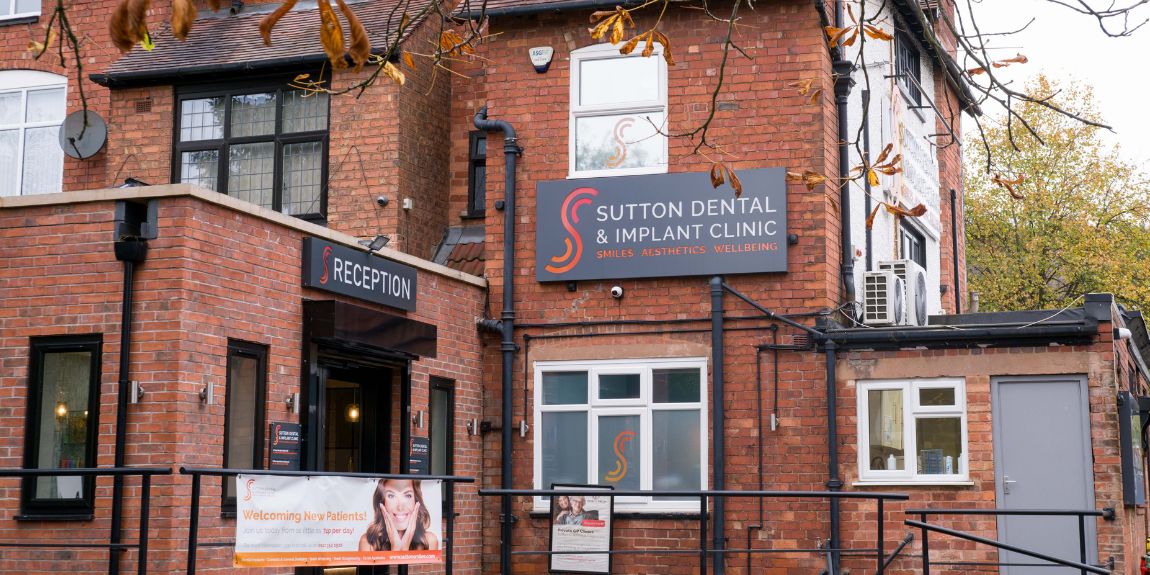
At Sutton Dental, we assess your teeth, bite, and jaw relationship before recommending Invisalign or another orthodontic treatment. This helps us understand whether your concern is mainly related to tooth positioning or whether other factors need to be considered.
We will also discuss your smile goals, oral health, and the results that can realistically be achieved with clear aligners. If Invisalign is not the most suitable option for your case, we will explain the alternatives available and help you understand the next steps.
If you are concerned about your bite, jaw alignment, or the position of your teeth, book a consultation with the team. We will help you understand your options and determine the most appropriate approach for your individual needs.
📞 Call: 0121 354 1922
🌐 Website: https://suttonsmiles.com/treatmentcategory/teeth-straightening/