09 / 05 / 2026
Are Dental Implants Right for You? What You Really Need to Assess
Losing a tooth can affect far more than just your smile. Everyday activities such as eating, speaking, and smiling confidently may gradually become more difficult, while the underlying jawbone can also begin to weaken over time. As a result, many people start exploring long-term tooth replacement solutions, and dental implants are often considered one of the most reliable options available.
However, one important question remains for many patients:
“Am I actually suitable for dental implants?”
The reality is that most adults can be considered for implant treatment. Even patients who have experienced bone loss, worn dentures for years, or previously been told they were not suitable may still have options today due to major advancements in modern implant dentistry.
This blog will help you understand the key factors involved, which can help you make a more informed and confident decision about your treatment.
Dental implants are titanium posts placed into the jawbone to replace missing tooth roots. Once the implant heals and integrates with the surrounding bone, it acts as a secure foundation for a custom-made crown, bridge, or denture.
Unlike traditional tooth replacement options, implants replace both the visible tooth and the root beneath the gum. This not only improves stability and function but also helps maintain the natural structure of the jawbone over time.
Because implants become part of the jawbone through a biological process known as os seointegration, careful assessment is essential before treatment begins.
The Ideal Fit: Key Conditions Explained
1. Healthy Gums and Good Oral Hygiene
One of the most important requirements for successful implant treatment is good oral health. Healthy gums create the foundation needed for proper healing and long-term implant stability. Conditions such as gum disease, untreated tooth decay, or oral infections can increase the risk of complications and may affect how well the implant integrates with the bone.
Before proceeding with treatment, dentists typically ensure that the mouth is healthy and free from active infection. In many cases, existing dental issues can be treated beforehand, allowing patients to move forward with implants safely. Maintaining strong oral hygiene habits after treatment is equally important, as implants require ongoing care similar to natural teeth.
2. Sufficient Jawbone Density
Dental implants rely on healthy jawbone support to remain stable over the long term. When a tooth is lost, the surrounding bone gradually begins to shrink because it no longer receives stimulation from the tooth root. This process can continue for years, especially in patients who have had missing teeth for a prolonged period or worn dentures for a long time.
Fortunately, reduced bone density does not automatically prevent implant treatment. Modern dentistry now offers advanced procedures such as bone grafting and guided bone regeneration, which can help rebuild areas where bone loss has occurred. With the help of detailed 3D imaging technology, dentists can accurately assess bone structure and determine whether additional preparation may be needed before implants are placed.
3. Overall Medical Health
A patient’s general health also plays an important role in determining implant suitability. Although dental implant treatment is considered safe and predictable for most individuals, certain medical conditions may affect healing and recovery.
Conditions such as uncontrolled diabetes, autoimmune disorders, osteoporosis, or ongoing cancer treatment may require additional planning and monitoring during the treatment process. Certain medications can also influence bone healing and implant integration. However, these factors do not necessarily rule out treatment completely. Many patients with complex medical histories still undergo successful implant treatment with careful planning and personalised clinical care.
4. Smoking and Lifestyle Factors
Smoking is widely recognised as one of the leading risk factors associated with implant complications. Tobacco use can reduce blood flow to the gums, slow healing after surgery, and increase the likelihood of infection around the implant site. As a result, smokers generally face a higher risk of implant failure compared to non-smokers.
For this reason, patients are often advised to stop or significantly reduce smoking before and after implant treatment. Lifestyle habits such as oral hygiene, diet, and regular dental maintenance appointments also contribute heavily to the long-term success and lifespan of dental implants.
5. Age and Implant Eligibility
There is no strict upper age limit for dental implants. Many older adults successfully receive implants and maintain them comfortably for many years. In most cases, overall health, bone condition, and healing ability are far more important than age itself.
For younger patients, implant treatment is usually delayed until jaw development is fully complete. Placing implants too early can sometimes lead to complications as the surrounding bone and teeth continue to develop and shift naturally over time.
Can Patients Previously Told “No” Still Qualify Today?
In many cases, yes.
Dental implant technology, treatment planning, and regenerative procedures have improved significantly over the past decade. Patients who may previously have been considered unsuitable are often reassessed successfully today using modern techniques and advanced imaging systems.
This is particularly true for individuals who have:
- Experienced bone loss
- Worn dentures for many years
- Lost multiple teeth
- Been declined implant treatment in the past
Every patient presents a unique situation, which is why professional assessment remains such an important step.
How Do Dental Implants Compare to Other Tooth Replacement Options?
Patients considering tooth replacement often compare implants with bridges or dentures.
- Dental Bridges – Bridges are supported by neighbouring teeth and may require healthy adjacent teeth to be reshaped. While they can restore appearance and function effectively, they do not replace the tooth root or prevent bone loss beneath the missing tooth area.
- Dentures – Dentures are removable appliances designed to replace multiple missing teeth. Although they can improve aesthetics and function, some patients find them less stable or comfortable over time. Bone shrinkage beneath dentures may also continue gradually.
- Dental Implants – It replace both the visible tooth and its root, helping preserve jawbone structure while providing stability that closely resembles natural teeth. Because of their durability, function, and long-term benefits, implants are widely regarded as one of the most advanced tooth replacement solutions available today.
What Happens During a Dental Implant Consultation?
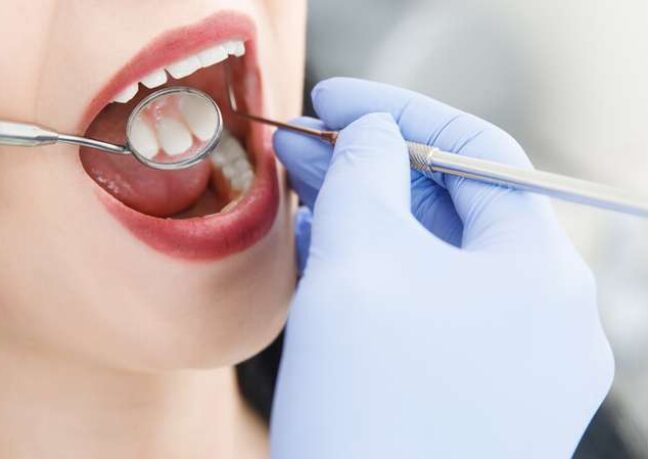
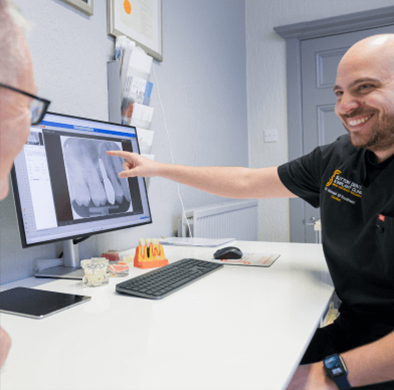
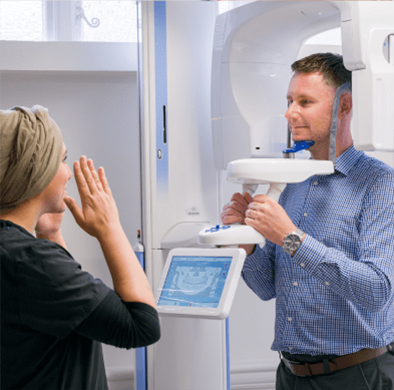
A dental implant consultation typically involves a detailed assessment of your oral health, medical history, and bone structure. Dentists commonly use digital scans and imaging technology to evaluate whether sufficient bone support is present and whether any preparatory treatment may be required before implant placement.
This consultation also provides an opportunity to discuss treatment options, timelines, healing expectations, and long-term maintenance requirements so patients can make fully informed decisions about their care.
Final Thoughts
Dental implants are no longer limited to a small group of ideal fits. Advances in modern dentistry have made treatment possible for a far wider range of patients than ever before, including many who may once have believed implants were not an option for them.
Factors such as gum health, bone quality, overall medical condition, and lifestyle habits all contribute to treatment suitability. However, many concerns that once prevented implant treatment can now often be managed successfully with modern techniques and personalised care planning.
The best way to determine whether dental implants are suitable for you is through a professional assessment that carefully evaluates your individual needs and oral health condition.
Ready to Find Out If You are A Good Fit?
Book your consultation at Sutton Dental & Implant Clinic today. Still unsure? A quick call is all it takes.
Reach us on 0121 354 1922, and we’ll answer every question – honestly, without pressure, and at no cost to you.
📞 Book Your Consultation – Link in Bio | https://suttonsmiles.com/treatmentcategory/dental-implants/